Our Story With
University of Albany Nano Complex
10-Month Year Over Year
10% Electrical Cost Reduction
5+ Years
3+ Sites
Company Overview
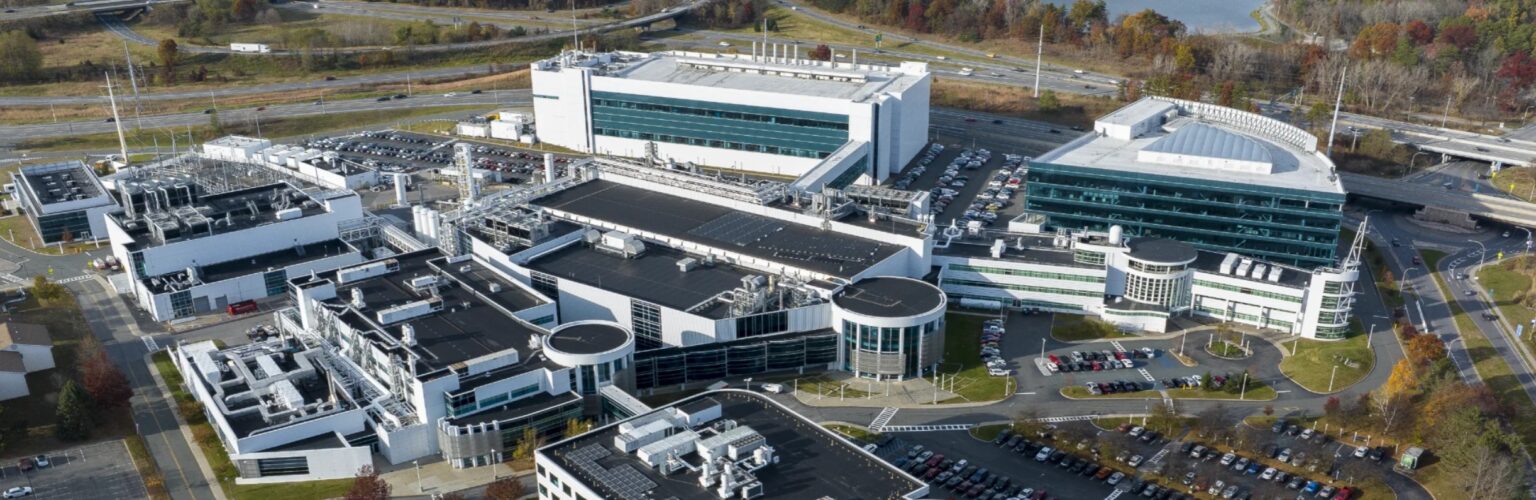
The University at Albany’s College of Nanoscale Science and Engineering (formerly associated with SUNY Polytechnic Institute’s nanoscale programs) is recognized for advanced semiconductor research, nanotechnology innovation, and highly specialized cleanroom environments. Operating cutting-edge facilities requires precise control of temperature, humidity, airflow, utilities, and energy-intensive systems. To strengthen operational performance and sustainability, the institution expanded its partnership with FacilityConneX through additional smart building analytics supported by NYSERDA funding.
Customer Success / Quote
Managing world-class cleanrooms and research facilities at the University at Albany’s College of Nanoscale Science demanded precise, continuous control of temperature, humidity, airflow, and energy-intensive systems across complex, interconnected campus infrastructure. Small inefficiencies carried meaningful cost and performance consequences, yet facility teams lacked the centralized visibility needed to detect and address them proactively.
“FacilityConneX transformed how we manage our most critical environments—giving our teams actionable insight instead of reactive alarms, and helping us advance both our sustainability goals and our research mission.”
Supported by NYSERDA program funding, FacilityConneX expanded its smart building analytics platform across the college’s campus infrastructure—delivering real-time HVAC and utility monitoring, automated fault detection and diagnostics, and continuous commissioning analytics. Engineering teams gained performance dashboards that shifted daily operations from reactive firefighting to data-driven optimization.
The result: improved reliability across mission-critical research environments, reduced hidden energy waste, earlier detection of equipment issues before they impact operations, and a stronger alignment between facility performance, cost reduction, and the institution’s long-term sustainability objectives.